

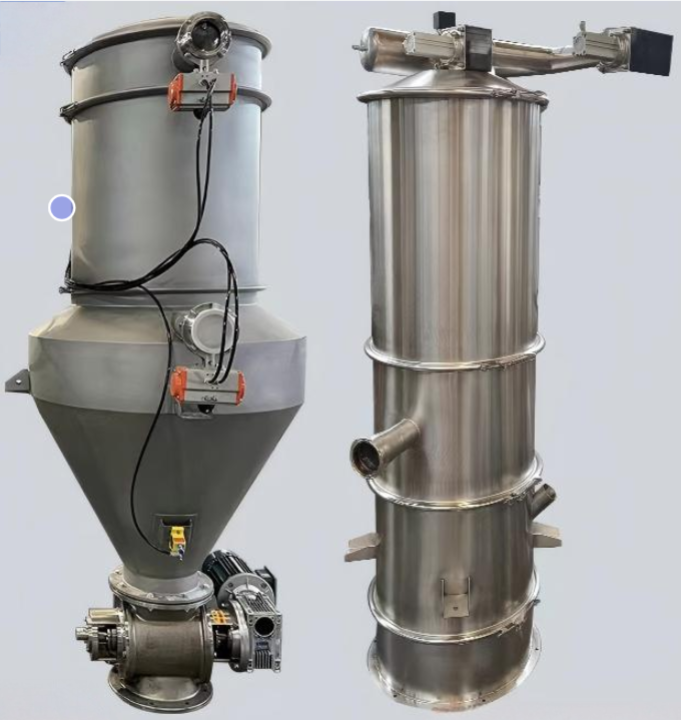
Your product's purity is at risk. A single contaminated batch can ruin your reputation. A fully enclosed transport system is the only way to guarantee safety and quality.
A vacuum conveyor1 eliminates cross-contamination2 by moving materials in a completely sealed system. It uses air to pull powders from one point to another, so no outside dust or germs can get in. This keeps your product pure from start to finish.
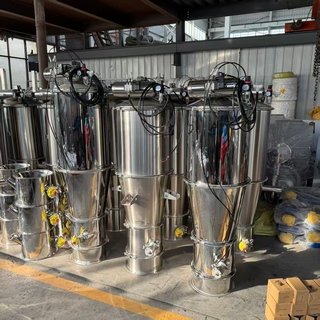
This sounds simple, but the impact on product quality is huge. I've seen it transform production lines for my clients. It takes the guesswork out of material handling and removes one of the biggest sources of contamination in any plant. Let's look closer at how this technology works and why it’s so effective. It’s a key piece of equipment for any modern factory that takes its product quality seriously.
How Does a Fully Enclosed System Guarantee Product Purity?
Open conveyors expose your materials to the factory air. Dust, germs, and other particles can easily settle on your product. Sealing the entire transfer process is the solution.
A fully enclosed system guarantees purity because it creates a sealed path from the source to the destination. Nothing gets in, and nothing gets out. This total isolation is the key to preventing contamination from the air, ensuring your product remains 100% pure.
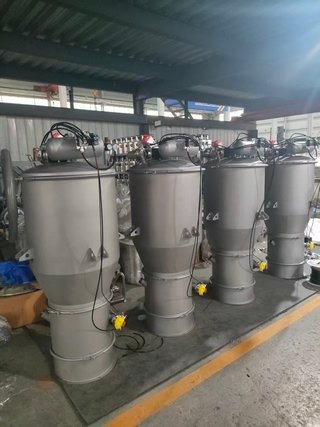
When we talk about a fully enclosed or "closed-loop" system, we mean that the product never touches the outside environment. From the moment it leaves its container to the moment it arrives in the mixer or hopper, it travels inside a sealed tube. I remember visiting a pharmaceutical plant years ago. They were losing thousands of dollars on rejected batches because of airborne particles. The problem was their old bucket elevator system. We installed a vacuum system, and their rejection rate dropped to nearly zero almost overnight. It was a game-changer for them. This is possible because of how the system works.
The Science of Clean Transport
A vacuum conveyor1 doesn't use belts or screws. Instead, it uses a difference in air pressure3. A pump creates a vacuum in the receiving hopper. This causes air to rush into the conveying line from the pickup point, and it carries your powder or granules along with it. Because it's all powered by air moving through a sealed hose, there are no external moving parts to generate dust and no openings for contaminants to enter.
Open vs. Closed Conveying Systems
| Feature | Open System (e.g., Belt Conveyor) | Closed System (Vacuum Conveyor) |
|---|---|---|
| Contamination Risk | High. Exposed to air, dust, operators. | Extremely Low. Fully sealed from the environment. |
| Product Loss | Moderate. Spillage is common. | Minimal. Contained within the system. |
| Dust Emission | High. Creates a dusty, unsafe workspace. | None. All dust is contained in the line. |
| Operator Safety | Lower. Risk of dust inhalation. | High. Protects operators from harmful dust. |
The table makes it clear. For any industry where purity is paramount, like food, pharma, or chemicals, a closed system isn't just a nice-to-have, it's a necessity.
Why Is Using One Conveyor for Multiple Materials a Bad Idea?
You want to save money and use one machine for many products. But leftover powders from the last run can contaminate your next batch. Understanding this risk is crucial.
Using one vacuum conveyor1 for multiple materials is risky. Tiny particles can get trapped inside the hose, joints, and especially the filter. These leftovers can mix with the next product, causing serious issues like allergen cross-contact4 or off-flavors.
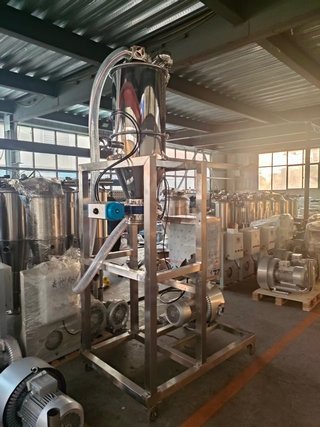
The main benefit of a vacuum conveyor1 is its ability to prevent external contamination. But if you're not careful, you can create internal contamination. A spice company client once learned this the hard way. They tried to convey ground cinnamon and then a delicate milk powder with the same line without a deep clean. The entire batch of milk powder had to be discarded because it tasted faintly of cinnamon. It was a costly mistake that could have been avoided by using a dedicated line or implementing a proper cleaning protocol5. The issue is that even a system designed for cleanliness has places where material can hide.
Hidden Contamination Hotspots
The two biggest problem areas are the conveying hose and the filter system. Hoses, especially flexible ones, can have small ridges or static cling that holds onto fine particles. The filter is even more critical. Its job is literally to trap fine dust to separate it from the conveying air. If you don't clean or change that filter, you are guaranteeing that dust from Product A will be released into the stream of Product B.
The Real Cost of Cross-Contamination
The cost goes far beyond a single lost batch. For food producers, allergen cross-contact4 is a massive liability. Mixing a product containing peanuts into a peanut-free product can have life-threatening consequences for consumers and lead to huge recalls and lawsuits.
| Contamination Scenario | Product A | Product B | Potential Outcome |
|---|---|---|---|
| Allergen Risk | Peanut Powder | All-Purpose Flour | Severe allergic reactions, product recall. |
| Flavor/Aroma | Garlic Powder | Sugar | Unusable product, brand damage. |
| Color Transfer | Red Spice Blend | White Protein Powder | Product rejected for appearance. |
| Active Ingredient | Pharmaceutical API | Placebo Powder | Incorrect dosage, regulatory failure. |
As you can see, the risks are too high to ignore. The best practice is always to use a dedicated conveyor6 for each material, especially for allergens or strongly flavored products.
Can You Safely Use One Conveyor if You Clean It Properly?
Your budget is tight, so one machine must do it all. But a quick rinse isn't enough, and improper cleaning still leads to contamination. A strict cleaning plan is essential.
Yes, you can safely use one conveyor for different materials, but only if you have a strict, validated cleaning procedure between each use. This means taking the system apart, cleaning every part that touches the product, and verifying it's completely clean.
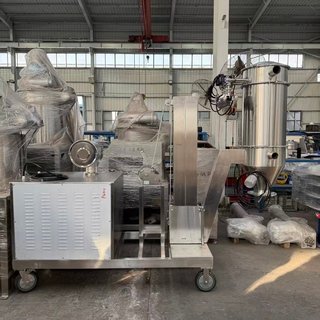
While dedicated lines are the gold standard, we understand that it's not always practical, especially for smaller companies. We worked with a food startup that had a single vacuum conveyor1 for several ingredients. To get their food safety certification, we helped them create a detailed cleaning log and procedure. Every step was documented and signed off by a manager before the next production run. This gave them, and more importantly, their customers, complete confidence. A proper cleaning procedure is not optional; it is a critical process that requires time and attention to detail. Our modern vacuum conveyor1s are designed for easy disassembly with quick-release clamps to make this process faster and more effective.
A Step-by-Step Cleaning Protocol
A reliable cleaning process, often called a Clean-Out-of-Place (COP) procedure, is non-negotiable.
- Disassembly: First, safely disconnect the power. Then, use the quick-release clamps to take apart all product-contact components: the pickup wand, hose, receiver body, and filter assembly.
- Dry Clean: Use compressed air and brushes to remove the bulk of the leftover powder. This should be done in a designated area to contain the dust.
- Wet Wash: Wash all components with the appropriate cleaning agents and hot water, following your industry's standards.
- Rinse & Sanitize: Thoroughly rinse away all cleaning agents. For food and pharma, follow this with a sanitizing rinse to kill any remaining microbes.
- Dry & Inspect: All parts must be completely dry before reassembly to prevent microbial growth. A final visual inspection is crucial to ensure no visible residue remains.
Validating Your Cleaning Process
How do you know it's truly clean? For sensitive applications, you need to validate your process. This can involve swabbing the surfaces and sending the swabs to a lab to test for residue or allergens.
| Material Type | Recommended Cleaning Method | Key Consideration |
|---|---|---|
| Free-Flowing Granules | Compressed air followed by a water rinse. | Easy to remove, low risk of sticking. |
| Sticky or Oily Powders | Hot water wash with a degreasing agent. | Residue can be stubborn and requires detergents. |
| Allergens | Full wash, sanitize, and swab testing. | Must ensure complete removal to a specific ppm level. |
By following a strict and validated protocol, you can confidently use a single conveyor for multiple materials, balancing cost-effectiveness with the absolute need for product safety and purity.
Conclusion
A vacuum conveyor1 is your best defense against cross-contamination2. Using dedicated lines is ideal. If you must share a line, a strict and documented cleaning protocol5 is your only path to safety.
Explore how vacuum conveyors enhance product purity and efficiency in various industries. ↩
Learn effective strategies to prevent cross-contamination and ensure product safety. ↩
Learn about the science behind air pressure in vacuum systems and its benefits. ↩
Find out how to prevent allergen cross-contact and protect consumer health. ↩
Learn how to implement a thorough cleaning protocol to ensure product safety. ↩
Understand the importance of dedicated conveyors in preventing cross-contamination. ↩